A loyalty program only works when customers understand it quickly and employees can support it without slowing down service. That is the practical standard to use when deciding how to set up BoomerangMe for your small business. The platform can help you create branded digital loyalty cards and customer offers, but the outcome depends on the decisions made before launch: what behavior you want to reward, how staff will enroll customers, and who will maintain the program after the first campaign.
For a small business, the goal is not to build the most complicated rewards program. It is to create a repeatable reason for customers to return while giving your team a manageable process for enrollment, redemptions, and customer questions.
Start With the Business Outcome, Not the Card Design
Before creating an account or selecting a template, define the business problem the loyalty program should address. A coffee shop may want to increase repeat visits during slower weekdays. A salon may want to encourage rebooking before customers leave. A local retailer may want to turn one-time seasonal buyers into regular customers.
Choose one primary outcome for the initial program. When a loyalty card tries to reward every purchase, referral, social action, review, and special event at once, it becomes difficult for customers and employees to explain. Start with a simple behavior that is easy to verify and valuable to the business.
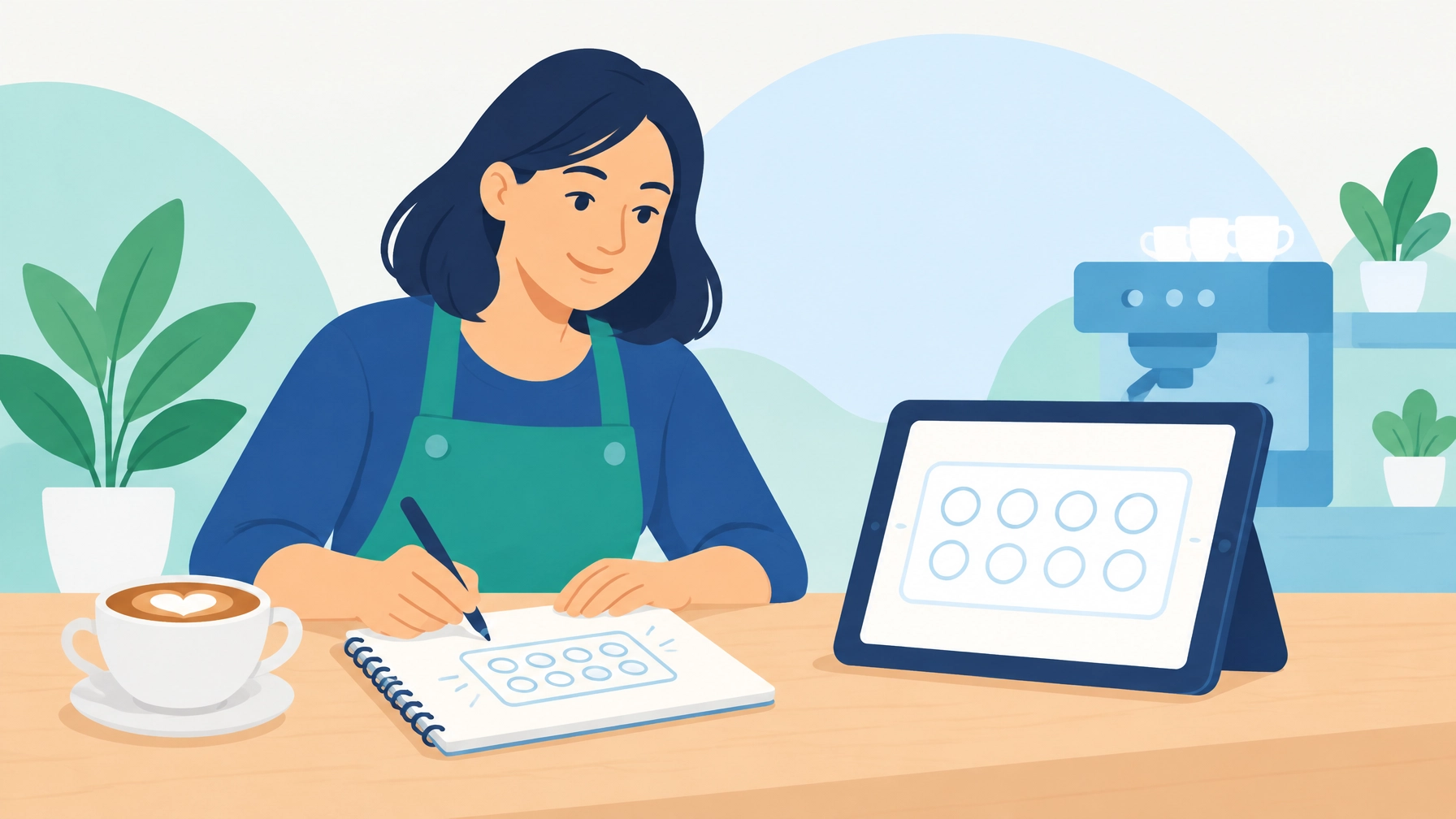
A stamp-based offer can work well when customers make frequent, lower-value purchases. A points or spend-based model may be a better fit for businesses with larger, less frequent transactions. Neither model is automatically better. The right choice depends on purchase frequency, average order value, margins, and how easily your staff can apply the reward.
Set boundaries before you configure the program. Decide which purchases qualify, whether the reward can be combined with other promotions, whether it expires, and whether there are exclusions. Clear rules protect margins and give frontline employees a consistent answer when customers ask how the program works.
BoomerangMe setup goes faster when branding, offer details, and operating decisions are ready before someone begins configuring the platform. Gather your current logo files, business name, contact information, store location details, and brand colors. If you have more than one location, determine whether each location will use the same program or whether offers and redemption rules will vary.
You should also prepare the customer-facing language. This includes a short program name, a plain-English description of how customers earn rewards, the reward itself, and any terms that apply. Keep the wording specific. “Buy nine drinks, get the tenth free” is easier to understand than “Earn rewards with every visit.”
Consider who will own the program internally. A business owner may approve offers, while a store manager handles day-to-day questions and a marketing coordinator manages customer messaging. Assigning ownership early prevents the loyalty program from becoming an unattended marketing tool with outdated offers or unclear policies.
How to Set Up BoomerangMe for Your Small Business
Begin by creating and securing your BoomerangMe account using a business-controlled email address rather than an individual employee’s personal address. This matters when roles change. Keep account ownership, billing access, and recovery information documented with your other operational systems.
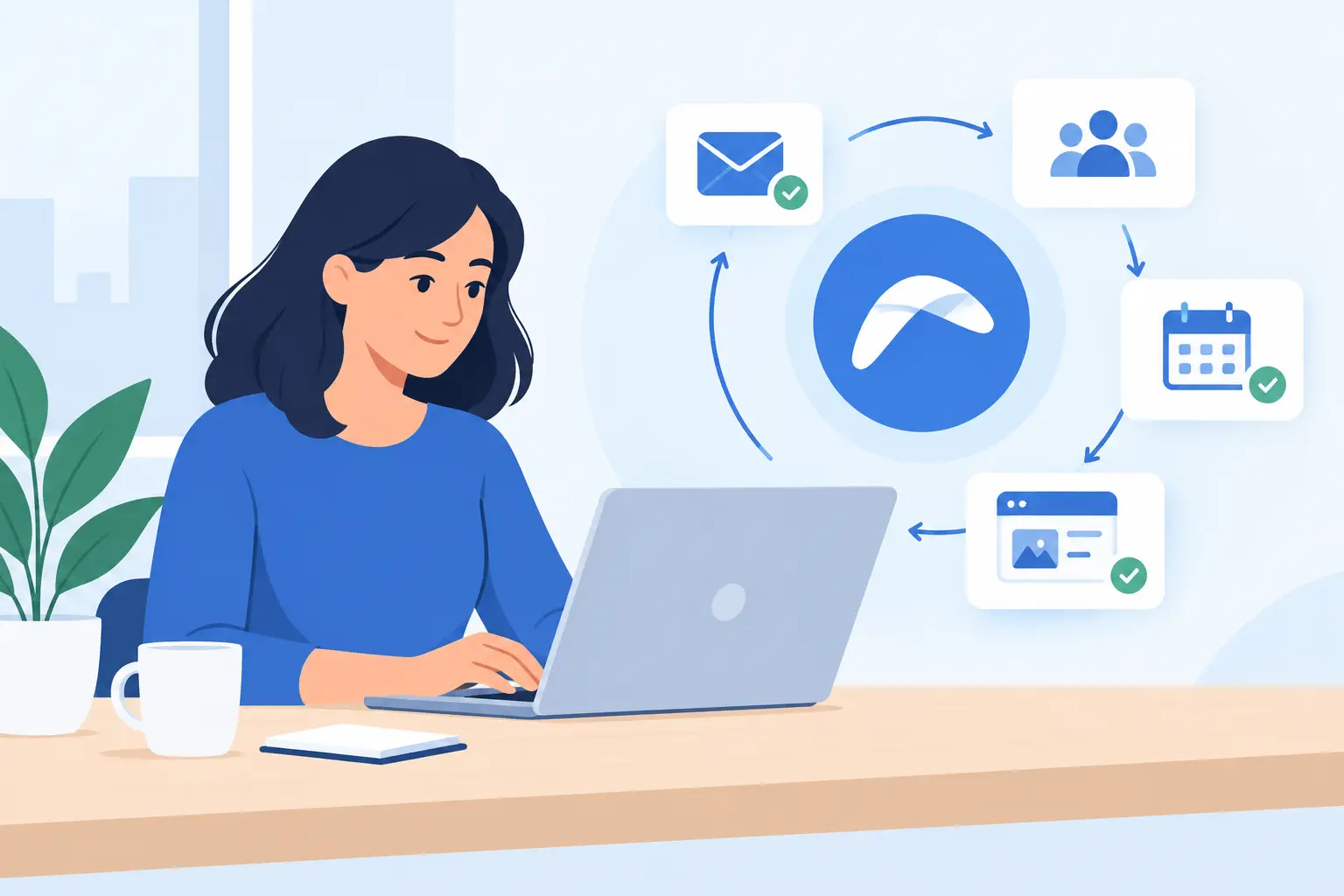
Next, select the loyalty card format and configure the customer journey. BoomerangMe is designed around digital wallet-based cards, so customers should be able to add the card to their phone without downloading a separate app. Build the process around the fewest possible steps: a customer receives the card, saves it, earns progress, and redeems a clear reward.
Add your visual branding after the offer structure is defined. Use a recognizable logo and colors that match your existing business materials, but prioritize readability over decoration. The business name, reward status, and redemption instructions should remain easy to see on a mobile screen. A loyalty card that looks polished but leaves customers unsure about their next step will not drive repeat visits.
Configure the earning and redemption rules carefully. Check that the reward threshold matches the offer you advertised and that the staff process reflects the setting in the platform. If employees will issue stamps by scanning a customer code or using a link, test that method in the actual environment where it will be used. Counter space, lighting, mobile reception, and staff device access can all affect a process that seemed straightforward during planning.
Use customer fields only when there is a clear business reason. Collecting a first name or birthday may support relevant campaigns, but unnecessary fields create friction at signup. Ask for the minimum information needed to operate the program and communicate with members appropriately.
Test the Experience Before Asking Customers to Join
Do not treat the first customer enrollment as the test. Create internal test cards and run through the full workflow from several perspectives: a new customer, a returning customer, an employee issuing credit, and a manager handling a redemption.
Test the card on both iPhone and Android devices if your customer base uses both. Confirm that the branding displays correctly, the reward progress updates as expected, and staff can recognize when a reward is available. Review any automated messages or notifications for timing, spelling, offer accuracy, and brand tone.
This is also the right time to test exceptions. What happens if a customer says a stamp was missed? Can a manager correct the issue? What if a customer changes phones? What should staff do if the internet connection is unavailable? You do not need a complex policy manual, but your team needs a consistent response for the situations that will occur at the busiest possible time.
Train Staff Around a Simple Script
Employee adoption determines whether a loyalty program reaches customers. Staff should understand the customer benefit, the enrollment process, how to issue progress, and how to honor a reward. They should also know where to send a customer who needs account assistance beyond what can be resolved at the counter.
Avoid asking employees to memorize a lengthy explanation. Give them a brief, natural script such as: “Would you like to join our digital rewards card? After nine qualifying purchases, your next one is on us.” The wording should reflect your actual offer and feel appropriate for your business.
Train managers separately on the operating rules. They need to know who can change offers, approve exceptions, access reporting, and contact the platform provider or implementation partner if a problem cannot be resolved locally. This separation of routine work from administrative access reduces mistakes and keeps the program controlled.
Launch Where Customers Already Interact With You
A loyalty card needs visibility at the point where customers are most likely to act. For many small businesses, that means checkout, appointment confirmation messages, receipts, counter signage, and email communications to existing customers. Use the same program description across every channel so customers do not receive conflicting instructions.
Begin with a measured launch rather than a broad promotion that overwhelms staff. A soft launch at one location, with a limited group of employees, can reveal operational issues before the program is promoted more widely. Once the workflow is stable, make enrollment part of the normal customer experience.
Monitor the first few weeks closely. Look beyond the number of cards issued. Enrollment volume matters, but so do repeat visits, reward redemptions, staff participation, customer questions, and the cost of the offer. A high enrollment count is not useful if customers never earn rewards or employees do not consistently issue progress.
Maintain the Program as an Operating Process
Digital loyalty programs require ongoing attention. Review performance on a regular schedule, such as monthly, and compare results to the original objective. If repeat visits are not improving, the issue may be the reward value, the earning threshold, limited staff promotion, or an offer that does not fit customer behavior.
Make changes deliberately. Adjust one meaningful element at a time so you can understand the effect. For example, lowering the number of required visits may increase redemptions, but it may also increase promotional cost. A stronger reward can attract attention, while a simpler rule may do more to improve participation.
Keep account access, branding, offer terms, and staff instructions current as your business changes. When locations open, employees leave, or pricing changes, your loyalty program should be reviewed alongside your other customer-facing systems. MBH Web Services can support businesses that need help with setup, operational handoff, and ongoing platform maintenance rather than treating the software purchase as the end of the work.
The best loyalty program is one your customers can explain to a friend and your employees can run confidently during a busy shift. Build for that level of clarity first, then improve the program using real customer and staff feedback.